
11 Safety Precautions Your Local Well Drilling Service Takes
In the world of well drilling, safety remains a paramount concern for both service providers and clients. Understanding the safety measures employed by professional drilling services can help ensure a secure and efficient process. This article outlines the essential precautions taken by your local well drilling service to safeguard workers, clients, and the surrounding environment. Paying close attention to these precautions not only helps prevent accidents but also ensures compliance with legal and environmental standards. A well-drilled site is an asset, but without proper safety considerations, it can pose significant risks to both people and the environment.
1. Utilizing Comprehensive Site Assessments
A comprehensive site assessment begins with geotechnical surveys, which are critical in understanding the underground conditions. These surveys involve the collection of soil samples and the analysis of rock formations, which help in determining the stability of the ground. Understanding the soil composition is essential as it dictates the type of drilling technique that will be most effective and safe. Proper analysis ensures that the drilling process will not disturb underground utilities or lead to ground instability. By anticipating potential challenges, geotechnical surveys are a fundamental step in preventing future complications and ensuring the safety of the well site.
2. Preparing With Environmental Impact Assessments
Environmental impact assessments (EIAs) are conducted to forecast the potential effects of the drilling activities on the surrounding environment. This involves a detailed study of the ecosystem and the impact of drilling on local flora and fauna, surface water bodies, and the air quality. EIAs also assess the long-term consequences of the drilling operation, ensuring that any negative impacts are minimized or mitigated. These assessments often lead to the development of environmentally friendly practices and technologies to reduce carbon footprints and preserve local biodiversity. By committing to comprehensive EIAs, well-drilling services demonstrate their responsibility towards both community and environmental sustainability.
3. Identifying Hazards and Risk Analysis
Risk analysis and hazard identification are crucial components of a comprehensive site assessment, aiming to preemptively recognize potential safety hazards. By understanding risks such as unstable ground conditions or the presence of hazardous materials, the local well drilling service you choose can develop strategies to mitigate these risks effectively. This process typically involves both site inspections and historical research, considering past incidents and accidents to prevent recurrence. A critical aspect of this analysis involves ensuring that the septic system is a minimum of 50 feet away from the well system, as required by most states, to prevent contamination. Proactively identifying and addressing these hazards is vital in maintaining a safe working environment and protecting future water quality.
4. Utilizing Sources and Infrastructure Checks
Before drilling begins, checks are made to ensure that the site does not interfere with existing utilities and infrastructure. This involves the use of advanced detection equipment and consulting utility maps to locate underground cables, pipes, and other infrastructure. Interference with these components can lead to service disruption, significant safety hazards, or costly repairs. The local well drilling service takes responsibility for coordinating with local authorities and utility companies to verify that the planned operations will not disrupt utility services. Addressing these concerns head-on is essential for maintaining safety and ensuring that the drilling process proceeds smoothly without unforeseen interruptions.
5. Localizing Geological Studies
Local geological studies help tailor the drilling process to specific regional conditions. These studies take into account the geological history, current geological makeup, and any known issues such as seismic activity or historical flooding. By understanding these factors, the drilling service can anticipate challenges such as hard rock formations or groundwater flow variations. The information gathered guides the selection of appropriate drilling techniques and equipment that will optimize the drilling process while minimizing safety risks. Local expertise and historical knowledge play crucial roles in ensuring that the site is suitable for local well drilling and that all associated activities will be safely conducted.
6. Using Modern Equipment
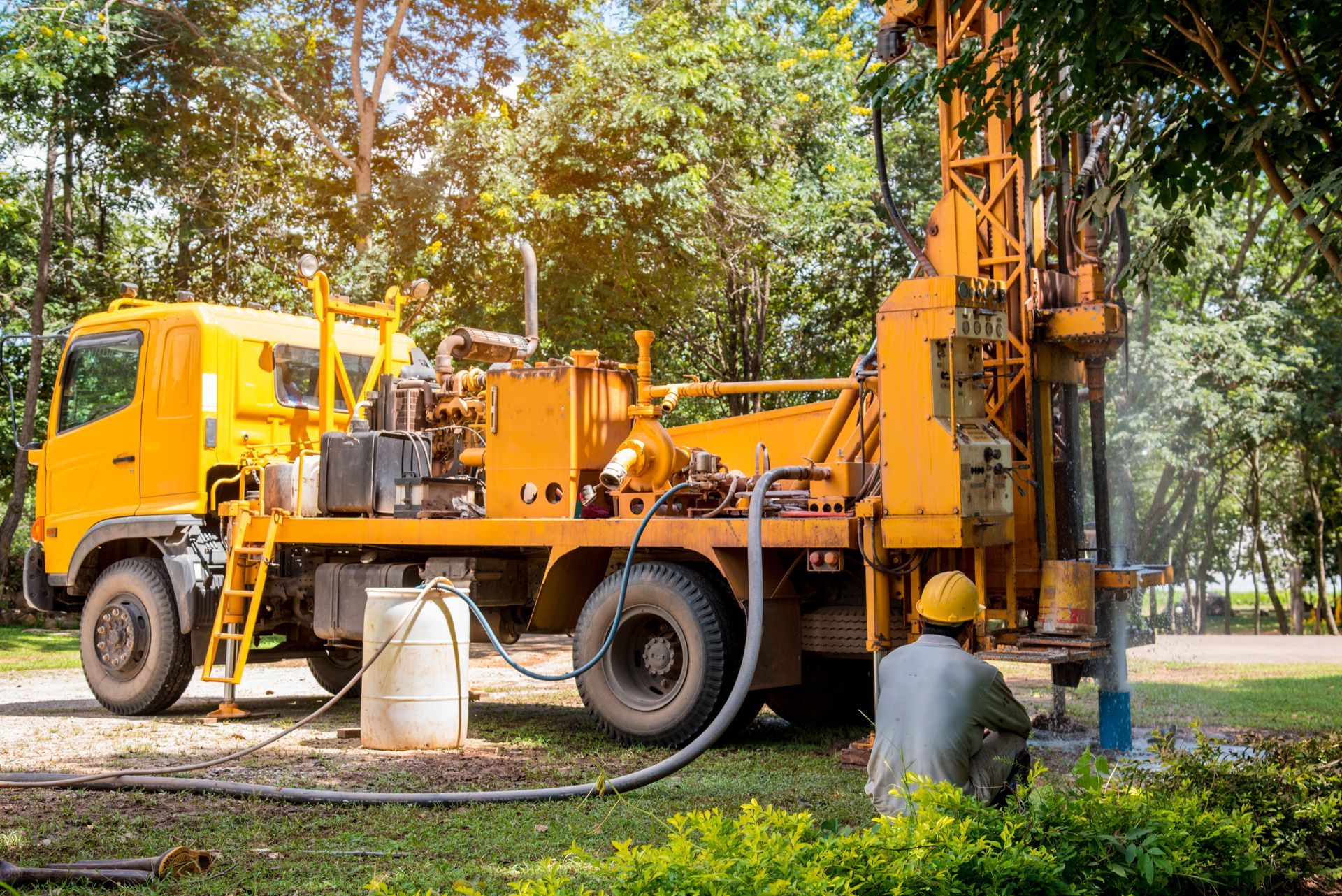
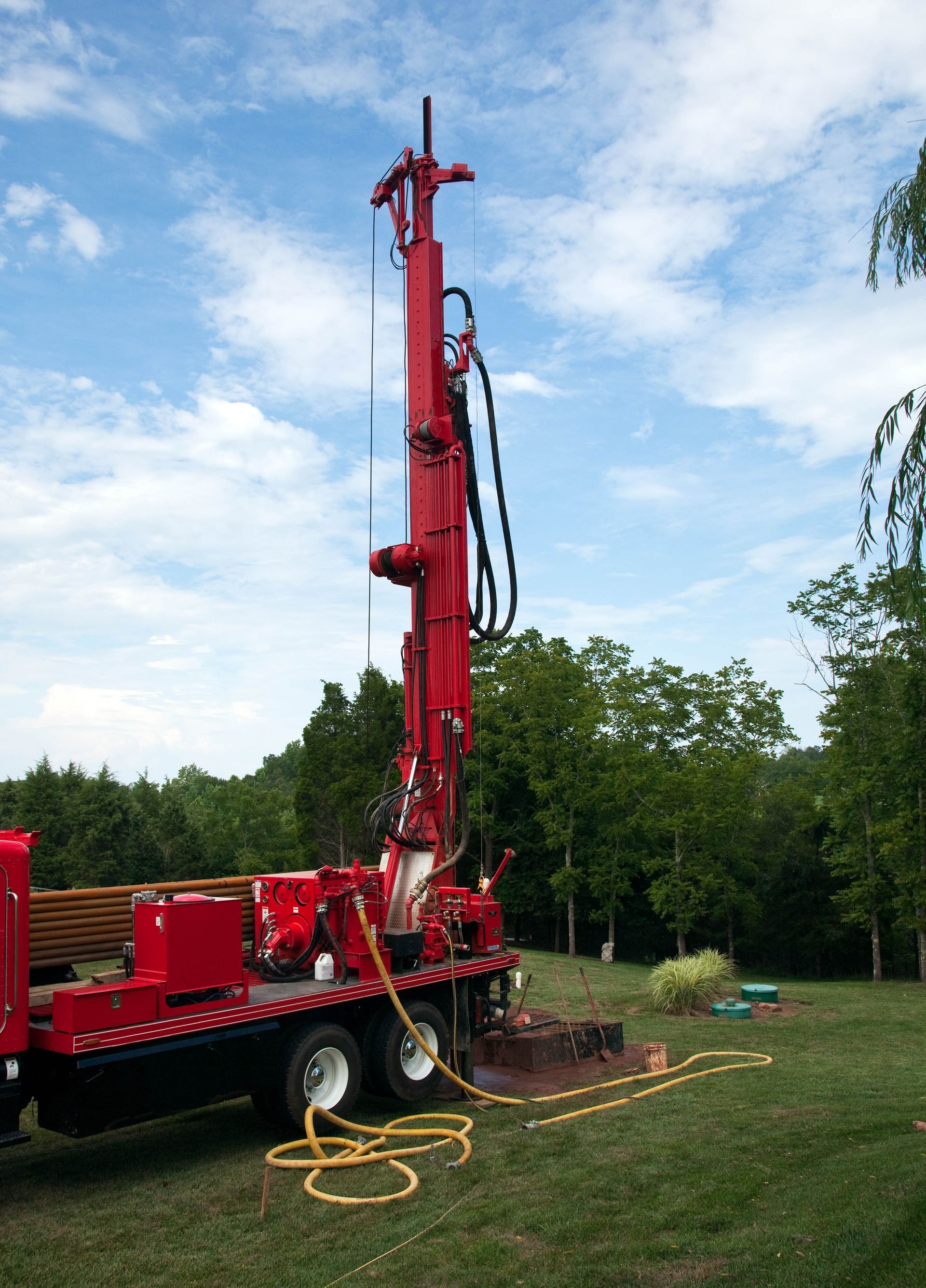
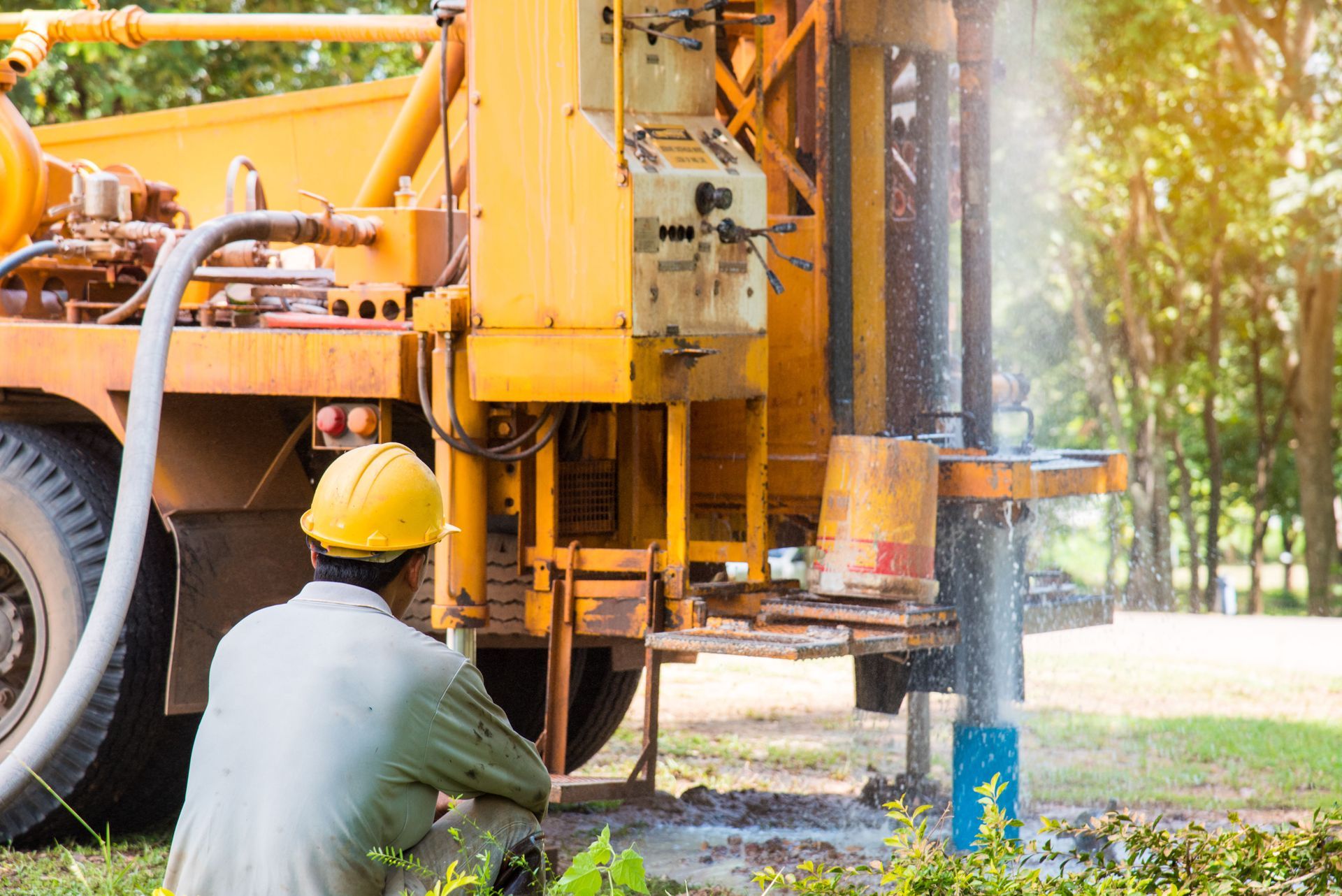
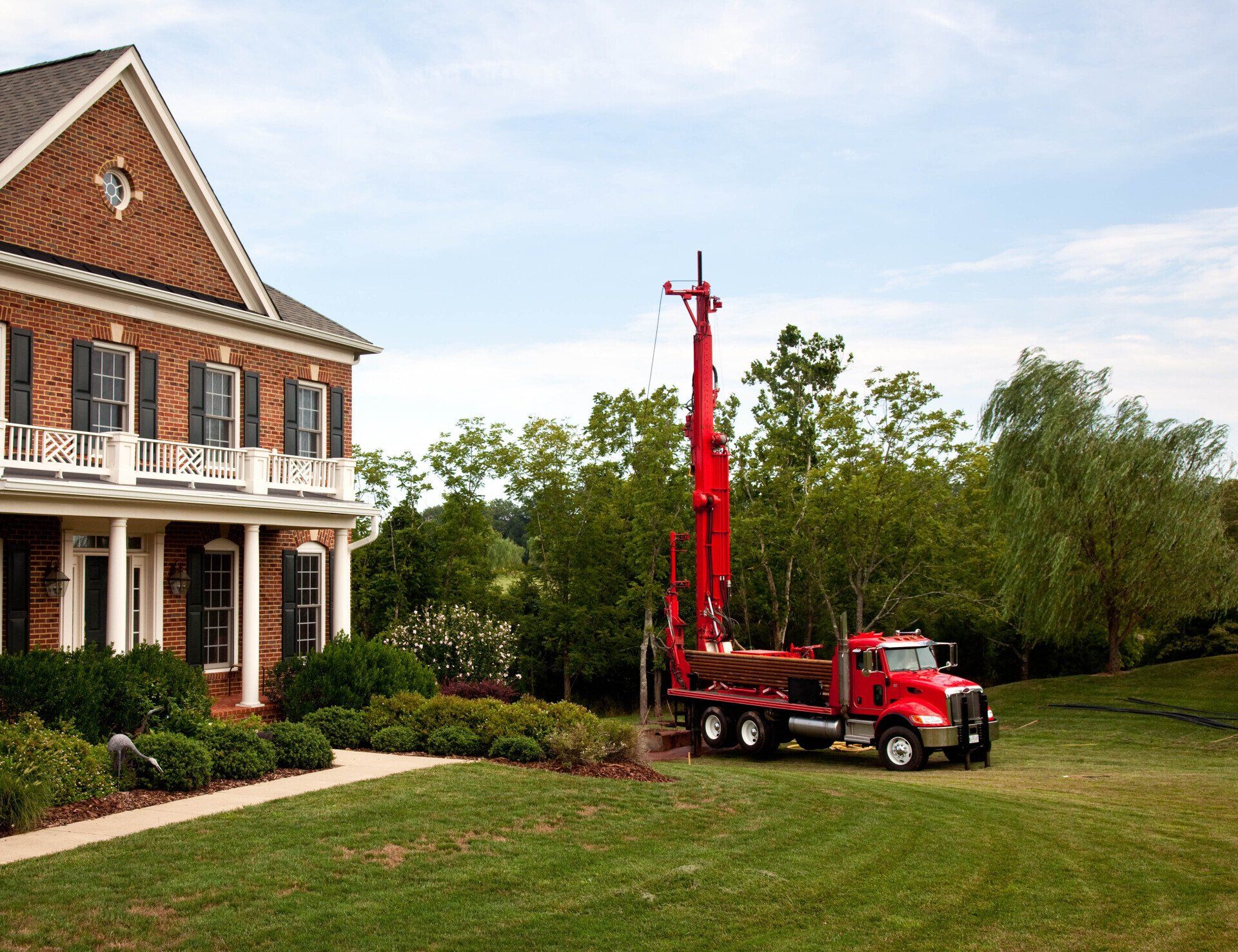
The use of advanced drilling rigs enhances the efficiency and safety of local well drilling operations. These rigs are equipped with state-of-the-art technologies that allow for precise control over the drilling process, reducing the likelihood of accidents. Innovations in the design of these rigs also enable drilling in a wider variety of geological conditions, making them highly adaptable. Furthermore, modern rigs incorporate automated safety features that protect both the operators and the environment. By investing in the latest equipment, well drilling services can ensure that their operations adhere to the highest safety standards. According to This Old House, submersible pumps can be used in wells up to 300 feet deep.
7. Using Hydraulic Safety Features
Hydraulic safety features are essential for preventing equipment malfunction and ensuring consistent operational control. These features include pressure sensors and automatic shutdown mechanisms that respond to irregularities in real time. By providing a precise and stable operational environment, hydraulic systems minimize the risk of accidents associated with pressure fluctuations or mechanical failures. In conjunction with regular maintenance and inspection, these safety features ensure that drilling activities remain within safe operational parameters. The integration of cutting-edge hydraulics underscores a commitment to safety and technical excellence in well drilling operations.
8. Monitoring Systems Remotely
Remote monitoring systems provide real-time data and analytics, promoting safe and efficient drilling operations. These systems track essential metrics such as drilling speed, pressure levels, and equipment status, all from a centralized control center. Remote monitoring enables quick identification and response to any issues or anomalies, thereby minimizing downtime and potential hazards. The ability to monitor operations from a distance also serves as an additional layer of safety, ensuring that personnel remain informed and prepared for any situation. Through continuous data collection and analysis, well drilling services can optimize procedures and enhance safety protocols.
9. Communicating Tools in Real Time
Real-time communication tools are pivotal in maintaining safety and coordination during drilling operations. These tools facilitate instant interaction between team members, enabling efficient information sharing and decision-making. In the event of an emergency or unexpected situation, quick and clear communication ensures that the appropriate responses are executed without delay. The integration of advanced communication systems also extends to collaborating with external partners, such as local emergency services or regulatory authorities. By enhancing connectivity, well drilling services can ensure that their operations remain synchronized and secure.
10. Maintaining Regular Equipment
Regular maintenance and inspection of drilling equipment are vital components of a robust safety strategy. Scheduled maintenance helps detect wear and tear, mechanical issues, or potential failures before they can escalate into significant safety hazards. By adhering to strict maintenance protocols, well drilling services minimize the risk of unexpected breakdowns and ensure consistent, reliable performance. Maintenance routines are carried out by qualified professionals who understand the intricacies of modern drilling equipment and employ best practices. This commitment to excellence not only protects workers but also extends the operational lifespan of the equipment.
11. Training and Certified Personnel
Local well drilling services emphasize the importance of comprehensive training programs for their personnel. These programs cover various aspects of well drilling operations, equipping employees with the skills and knowledge required to perform their tasks safely and efficiently. Training includes practical and theoretical components, ensuring that employees understand both the technical and safety aspects of their roles. Ongoing development opportunities help employees stay updated on the latest industry standards, technologies, and techniques. By nurturing a well-trained workforce, well-drilling services can uphold high safety standards and deliver optimal results.
In conclusion, safety remains a core value in the well drilling industry, and understanding these precautions can provide reassurance to clients and ensure that operations proceed smoothly and without incident. The dedication to thorough planning, modern technology, skilled personnel, regulatory compliance, and emergency preparedness all contribute to a safer, well-drilling environment. Contact Scott & Son Well Drilling LLC today for all of your local well drilling needs.
Share On: