
How Water Well Drilling Works: Process, Permits, and Planning
Securing a reliable, long-term water source is a priority for many property owners, particularly in rural or developing areas where municipal utilities may be limited or unavailable. One effective solution is to establish a private well system, which requires understanding how water wells are developed, regulated, and maintained. The process involves more than simply extracting groundwater; it includes geological evaluation, regulatory compliance, careful equipment selection, and ongoing system support. Learning how water well drilling functions from start to finish helps homeowners make informed decisions and work confidently with professionals who provide well drilling and pump services.
Evaluating Site Conditions and Planning
Successful well development begins with a thorough assessment of the property and its underground conditions. During the planning phase, professionals evaluate the land’s geological structure to identify water-bearing formations that can provide a consistent supply. This often includes reviewing soil composition, rock layers, surface elevation, and nearby water sources. Property owners may need to consider how intended water usage—whether for household supply, agricultural irrigation, or geothermal heating systems—will impact the well’s depth, diameter, and pump capacity.
An essential part of planning also includes positioning the well at an appropriate distance from potential contaminants, such as septic systems, livestock areas, or chemical storage sites. This step helps maintain water purity and aligns with local health regulations. Professionals typically use mapping tools, soil sampling, and existing well records to guide placement decisions. In some cases, test drilling or flow rate assessments may be performed to confirm groundwater availability and sustainability. The planning phase is also the time for property owners to discuss long-term system support, such as pump maintenance, system flushing, and service accessibility. Clear communication during this stage ensures that the finished system meets both current and future needs, establishing a strong foundation for safe and dependable groundwater use.
Navigating Local Permits and Regulations
Legal requirements play a major role in constructing a private well. Before any drilling takes place, property owners must obtain the necessary permits from local or state water authorities. Permitting ensures that wells are constructed according to safety and environmental standards, including proper casing depth, sealed construction, and sanitary protection measures. These regulations help protect groundwater resources and ensure that wells do not interfere with public water systems or neighboring private wells.
The permitting process often requires detailed site plans, geology reports, and projected well depths. In some regions, inspections occur at various stages of the project to verify compliance. Water testing is also common, both before and after installation, to confirm that the water supply meets safety standards. Some areas may also require documentation demonstrating that the well will not negatively impact wetlands, streams, or shared aquifers. Additionally, local health departments may need to approve the distance between the well and structures such as septic tanks or agricultural waste storage areas. Working with an experienced company that offers well drilling and pump services makes this phase more manageable, as professionals are familiar with regulatory guidelines and documentation procedures. Understanding the permitting process reduces delays and supports the long-term safety and quality of the well system.
Drilling, Casing, and Well Construction
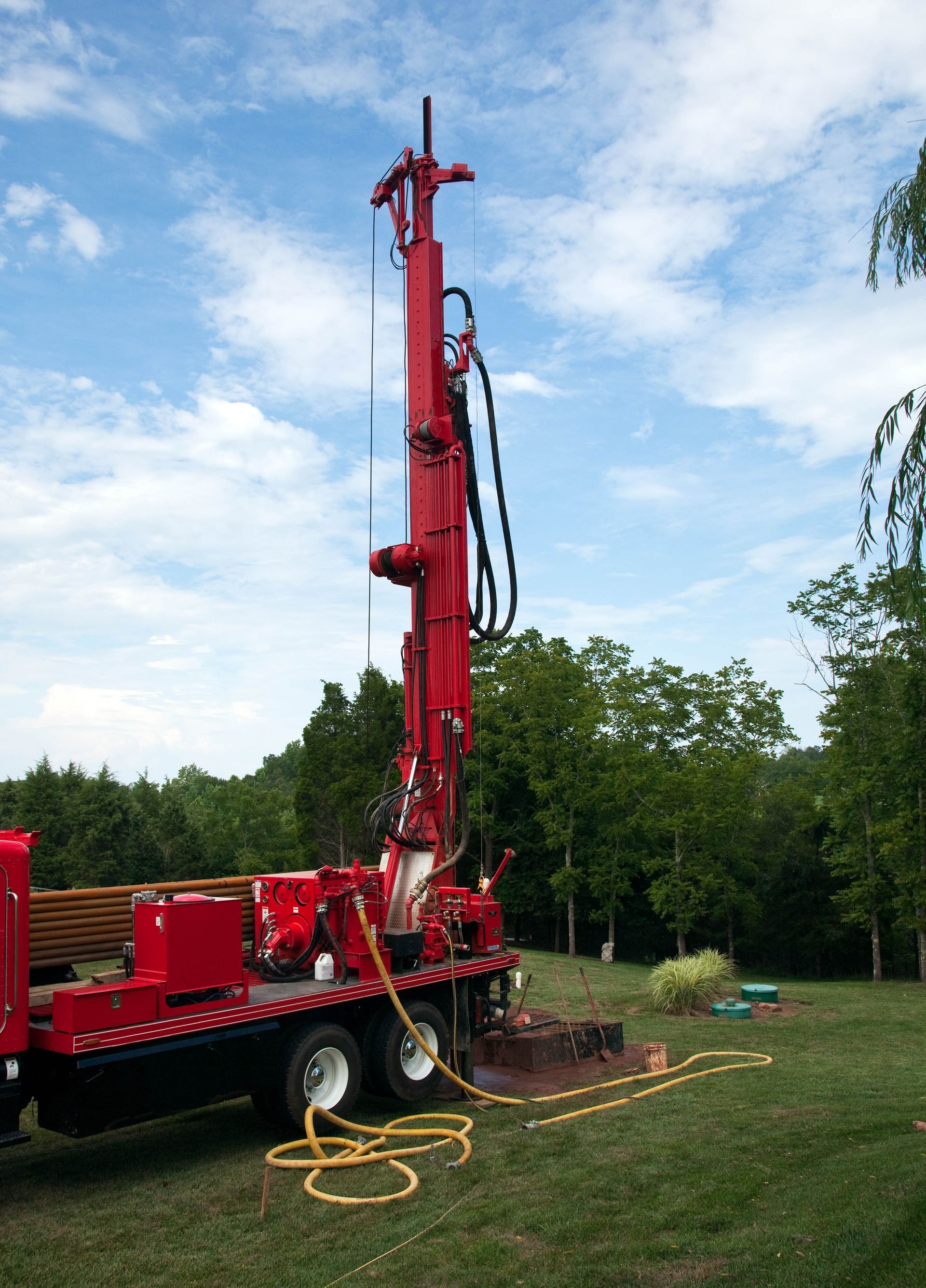
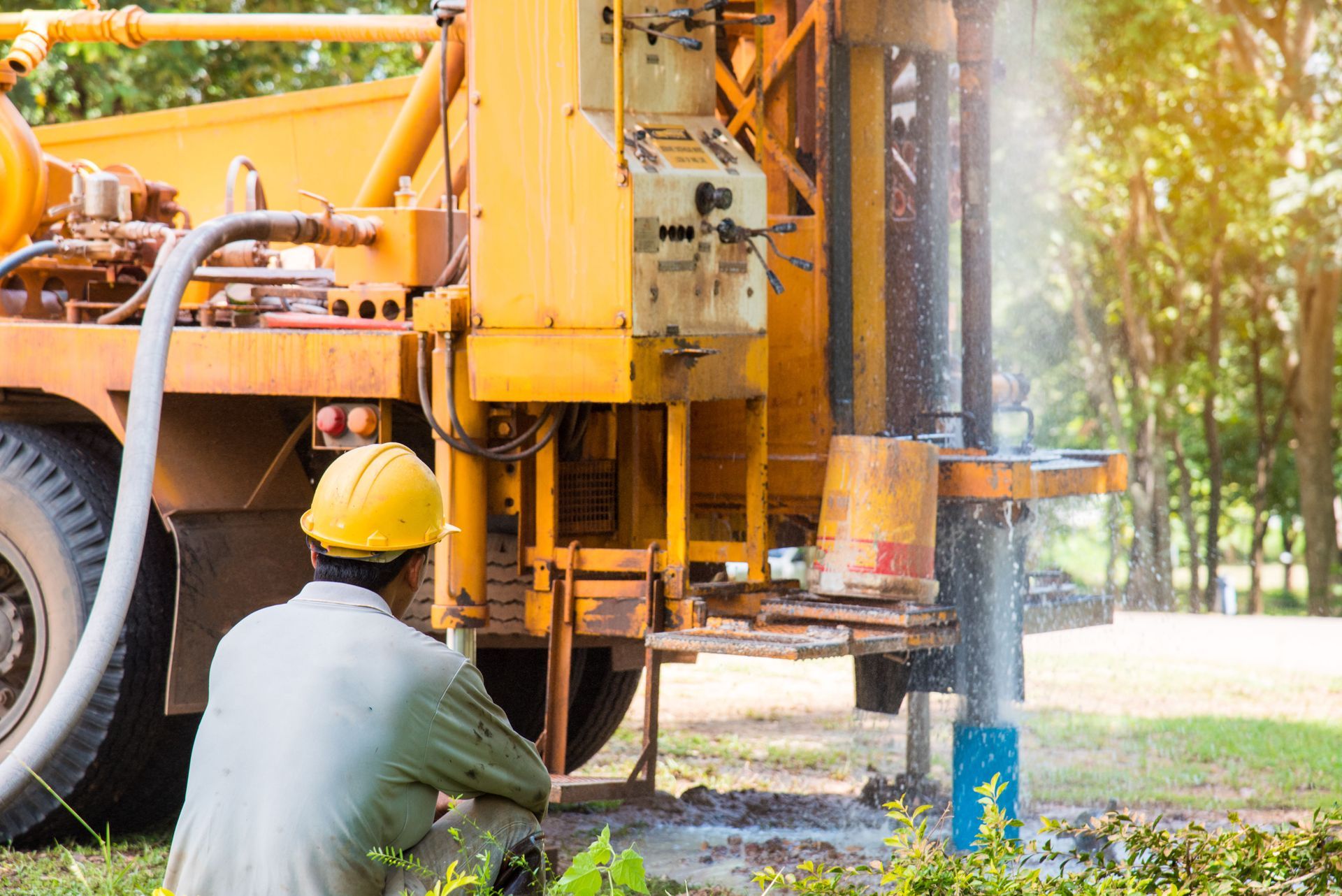
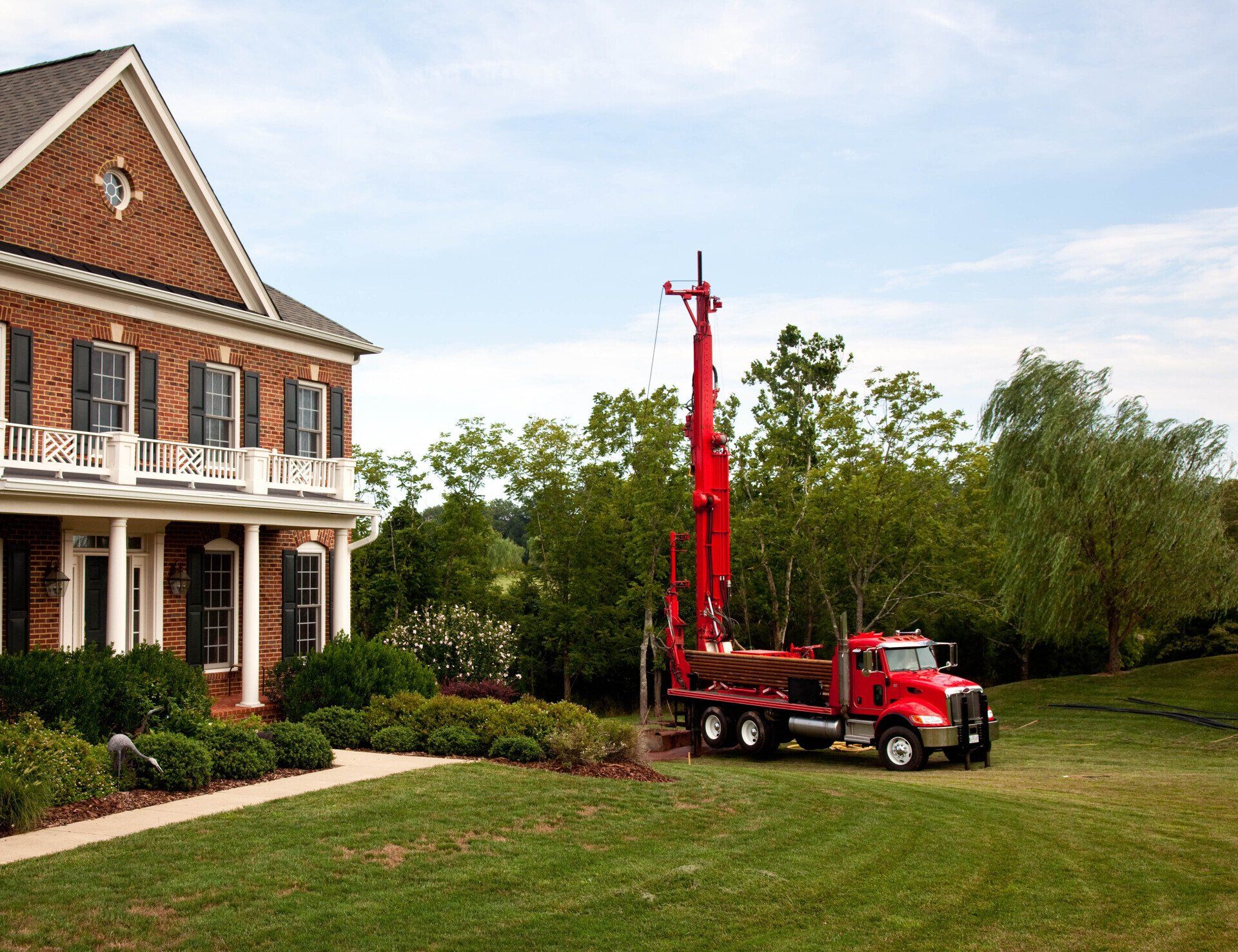
Once planning and permitting are complete, the drilling process begins. During this stage, specialized drilling equipment is used to penetrate layers of soil, rock, and sediment until a productive aquifer is reached. The method used depends on the geological conditions; rotary drilling is common for deeper wells, while cable tool drilling may be appropriate for certain soil types or shallow formations. This phase also involves continuous monitoring to confirm that the water source is capable of sustaining long-term use, as aquifer yield and recovery rate are essential to the well’s viability.
After reaching the target depth, a durable casing—often made of steel or PVC—is inserted into the well shaft. The casing provides structural stability and prevents contaminants from entering the water supply. A well screen is then installed at the bottom, allowing water to flow in while filtering out sediment and debris. Gravel packing and sealing materials may be added for additional protection and improved filtration. The well is then developed to clear out fine materials and optimize water flow. Airlifting, surging, or pumping may be used to remove loose particles and enhance clarity. This step ensures a clean and reliable water source before pump installation and final system connection.
Selecting, Installing, and Integrating Pump Systems
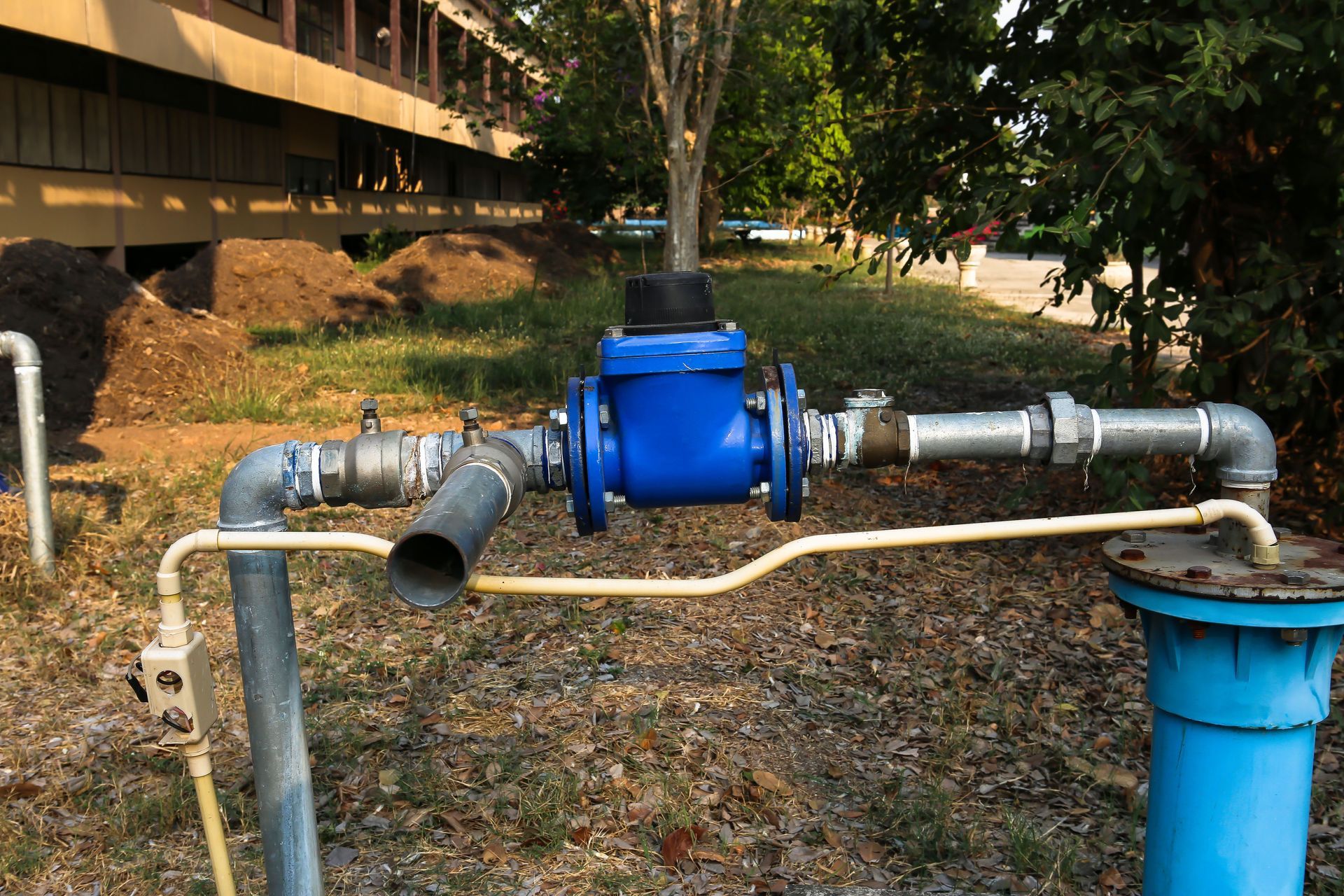
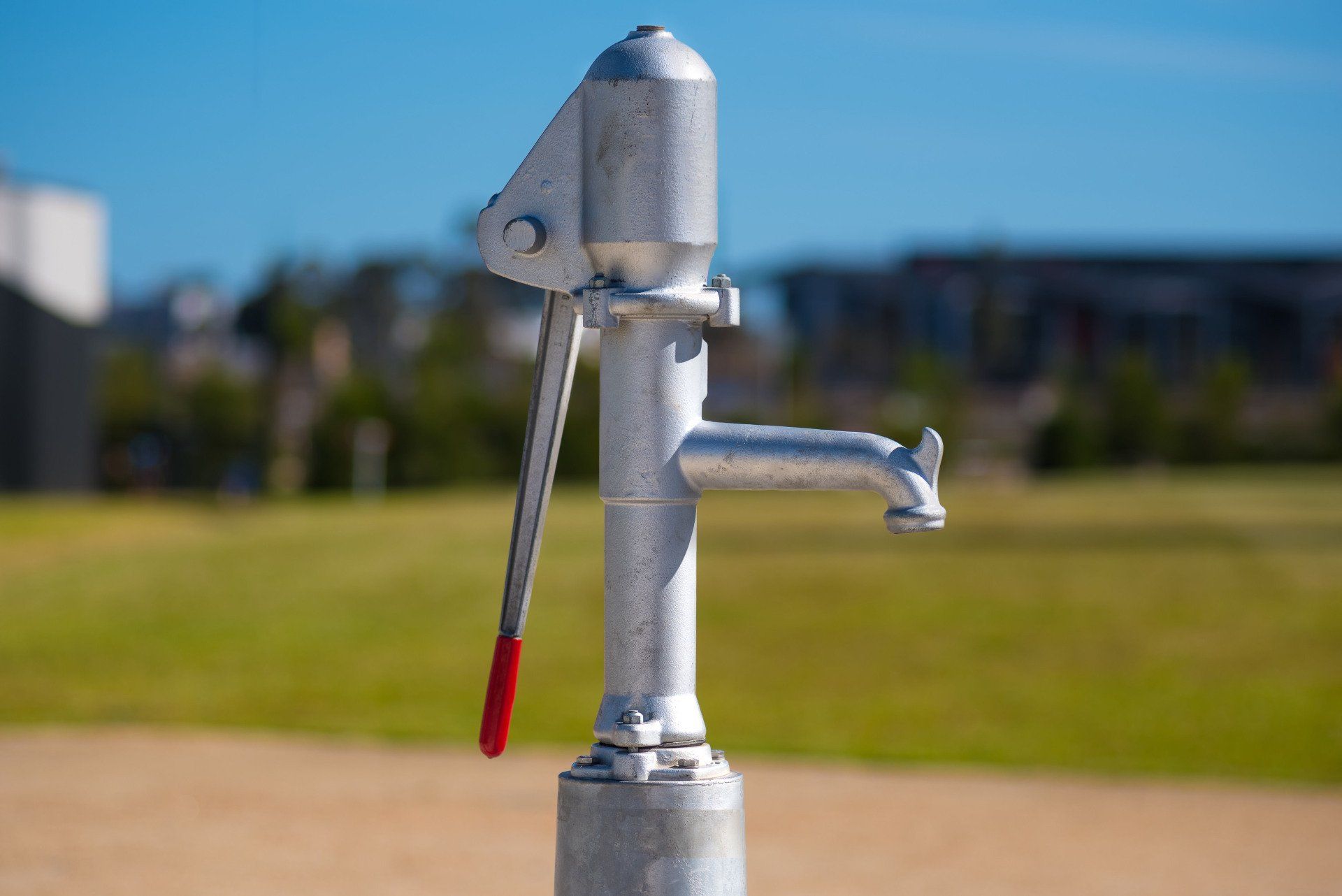
With the well structure complete, the next step involves installing a pump system to draw water to the surface. The type of pump used depends on the well depth and intended water usage. Shallow wells may use jet pumps, while deeper wells require submersible pumps placed below the water line. Pump sizing is determined by expected demand, pressure needs, and well yield capacity. Proper sizing ensures consistent water flow while preventing pump overwork and premature failure.
According to Envisupply, the typical pressure setting for well pumps is around 40 pounds per square inch. This benchmark helps maintain adequate water flow throughout the property while supporting fixtures, appliances, and irrigation systems. Once installed, the pump is connected to pressure tanks, control switches, and plumbing systems to ensure smooth and responsive operation. Many companies that offer pump services also provide pump maintenance, system troubleshooting, and flushing services to extend the lifespan of the equipment and maintain water efficiency. When integrated correctly, the pump system becomes a dependable and low-maintenance part of the property’s infrastructure.
Ensuring Efficiency and Long-Term Maintenance
After installation, ongoing care is essential to keep the well operating efficiently and safely. Regular water testing helps detect changes in water quality, which may result from seasonal shifts, nearby construction, or natural mineral fluctuations. Routine pump maintenance helps identify issues early, avoiding costly breakdowns or system interruptions. System flushing can also clear mineral buildup or sediment accumulation that may occur over time, helping protect both the pump and the distribution system.
In addition to standard well upkeep, some property owners choose to integrate geothermal services with their water systems. Geothermal systems use stable underground temperatures to regulate heating and cooling in a building, offering energy-efficient climate control. Professionals skilled in geothermal systems can evaluate whether this option is compatible with an existing or planned setup and determine appropriate sizing and loop placement. Combining water and geothermal functionality requires careful planning, but it can significantly reduce energy costs, improve household comfort, and support environmentally conscious living.
Long-term maintenance schedules should be discussed before installation, so property owners know what to expect and how to preserve their water source. Working with a professional service provider ensures continued support throughout the system’s lifespan, helping maintain consistent performance and reliability.
Summarizing Key Considerations for Long-Term Success
Establishing a private well is a comprehensive process that involves geological analysis, proper permitting, precise drilling, thoughtful pump selection, and ongoing care. Understanding each phase of water well drilling helps property owners make decisions that support a reliable and long-lasting water system. From planning and construction to pump services and routine maintenance, professional guidance plays a key role in ensuring safety, efficiency, and water quality. With the right expertise and a well-planned approach, a private well can provide dependable water access for many years to come. Call Scott & Son Well Drilling LLC today to schedule your well drilling or pump service.
Share On: