
Why You Should Leave Well Drilling to the Pros
Securing a clean, dependable source of water is one of the most vital investments a homeowner or landowner can make. While tackling home improvement projects independently has become increasingly popular, drilling a water well is not a weekend do-it-yourself endeavor. The process demands specialized engineering knowledge, heavy industrial machinery, and a thorough grasp of hydrology to ensure safety, efficiency, and long-term performance. According to Moving.com, more than 13 million households in the country use a well for their water supply. Given how many families rely on private groundwater systems every single day, proper construction from the outset is essential. Attempting to drill without professional qualifications routinely results in compromised water quality, property damage, and astronomical repair bills. Partnering with professional well drilling services ensures that your water system is installed safely, legally, and sustainably.
Conducting Comprehensive Geological Surveys
Accurate geological surveys represent the cornerstone of any successful well installation. Certified drillers do not simply guess where to break ground; they conduct exhaustive scientific assessments to understand the underlying soil stratigraphy and rock formations. Advanced surveying techniques, including seismic refraction and electrical resistivity testing, allow technicians to map subsurface characteristics with remarkable precision. Misinterpreting subsurface data can lead to drilling in completely unproductive locations, turning an expensive endeavor into a dry hole. By enlisting experienced well drilling services, property owners gain access to specialized geological interpretations that prevent costly trial-and-error excavations. These initial site evaluations establish the foundation for a productive, long-lasting well system.
Locating Productive Water-Bearing Formations
Striking water is only half the battle; the true objective is tapping into a sustainable, high-yield aquifer capable of supplying clean water for decades. Professional contractors utilize regional hydrological maps, historical yield records, and static water level measurements to locate dependable water-bearing strata. They understand the crucial distinctions between confined, unconfined, and artesian aquifers, adjusting their extraction strategy to fit the specific hydrological dynamics of the property. Amateurs often mistake shallow, seasonal saturation for a viable aquifer, resulting in a dry tap during seasonal summer droughts. Qualified well drilling services evaluate long-term recharge rates and subterranean flow patterns before setting the final bore depth, ensuring your property maintains continuous, pressurized water flow through every season.
Navigating Complex Subsurface Soil Conditions
Subsurface earth is rarely uniform, and shifting soil compositions introduce serious engineering challenges during the boring process. Technicians encounter diverse strata ranging from dense clay and loose gravel to solid bedrock, fractured granite, and water-logged sand. Each geological composition demands unique drill bits, specialized drilling muds, and tailored operational pressures to prevent bore collapse. For instance, expansive clays can swell rapidly upon contact with moisture, easily crushing improperly specified casing pipes. Conversely, unstable sandy soils require precise mud weights and prompt casing installation to prevent the walls from caving in. Reputable well drilling services possess the empirical field experience and tooling required to adapt their techniques instantly whenever challenging underground formations emerge.
Mitigating Unpredictable Geological Hazards
Below the earth's surface lie hidden hazards that pose severe structural threats to drilling equipment and surrounding buildings. In areas prone to sinkholes, subterranean voids, shifting fault lines, or seismic vulnerabilities, careless drilling can destabilize entire soil strata. Puncturing pressurized underground pockets without appropriate blowout prevention controls can trigger sudden subsidence or catastrophic cave-ins. Professional drilling teams conduct structured hazard evaluations prior to commencing operations, deploying stabilization collars and specialized grouting techniques to reinforce vulnerable zones. Engaging certified drilling contractors protects your real estate assets by ensuring that subsurface disturbances do not compromise the foundational integrity of nearby structures or neighboring properties.
Maintaining Rigorous Occupational Safety Protocols
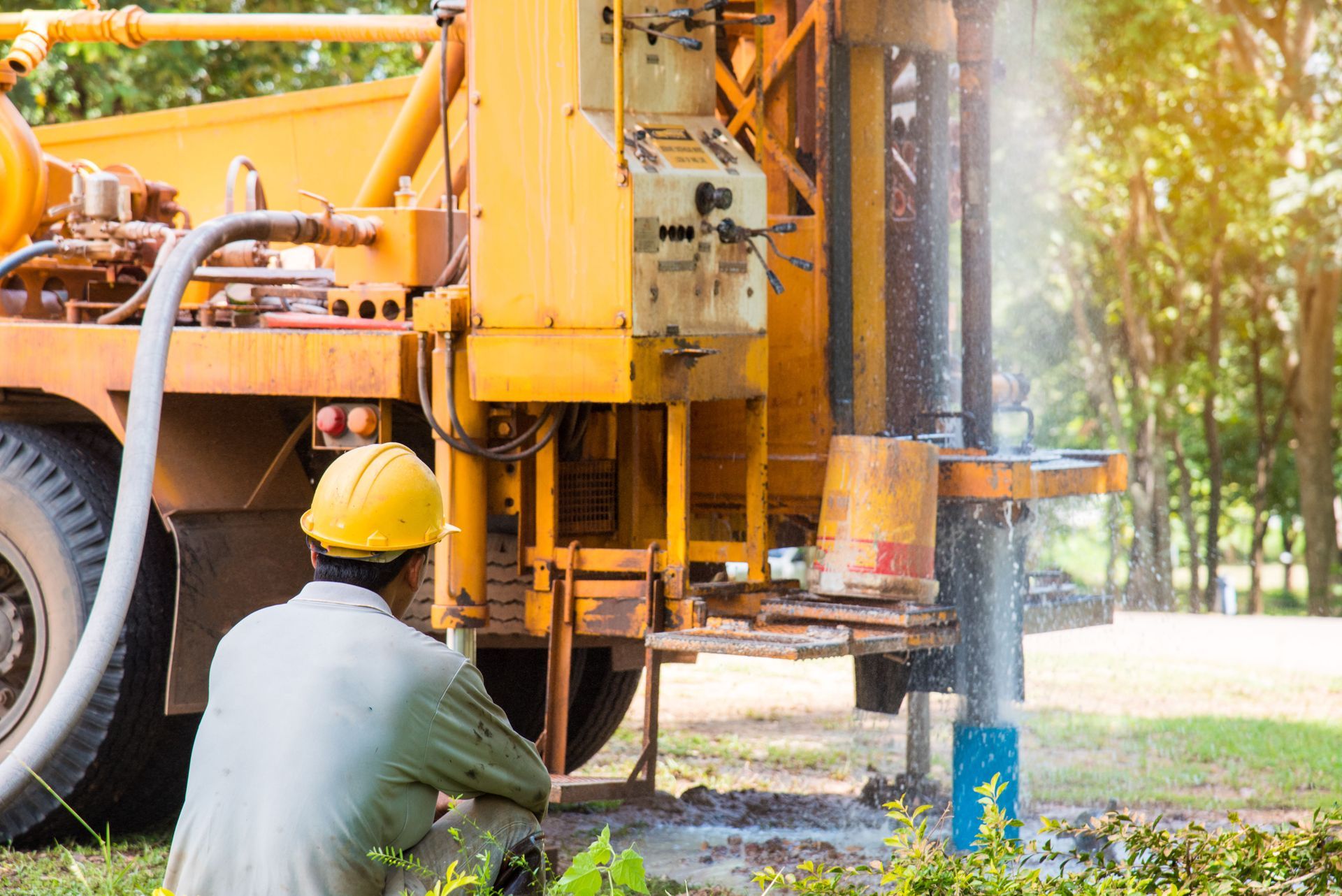
Operating industrial drilling rigs is inherently hazardous work that involves high-torque rotation, intense hydraulic pressures, suspended overhead weights, and heavy steel piping. Without rigorous workplace training, accidents involving machinery entanglements, high-pressure hose ruptures, and structural collapses can be fatal. Commercial drilling crews adhere strictly to occupational safety guidelines established by the Occupational Safety and Health Administration (OSHA). Crew members wear comprehensive personal protective gear, enforce exclusion perimeters, and run daily equipment safety audits before starting their machinery. Attempting to handle high-powered drilling gear without formal training invites severe personal injury, making professional well drilling services indispensable for maintaining a secure and controlled worksite.
Protecting Groundwater Quality and Surrounding Ecosystems
Groundwater is a shared ecological asset that is exceptionally vulnerable to contamination during drilling operations. An improperly sealed bore acts as a direct conduit, channeling surface runoff, agricultural fertilizers, animal waste, and bacterial contaminants straight into the deep drinking aquifer. Professional drillers utilize food-grade drilling fluids, continuous steel or heavy-duty thermoplastic casing, and pressurized neat cement or bentonite grout seals to isolate surface water from pure groundwater layers. These environmental safeguards eliminate biological seepage and cross-contamination between different mineral strata. By hiring established well drilling services, landowners actively safeguard public health, protect local ecosystems, and prevent ecological liabilities that can result in massive remediation expenses.
Securing Mandatory Permits and Regulatory Approvals
Water extraction is heavily regulated across local, county, state, and federal jurisdictions to manage resource consumption and maintain environmental standards. Drilling a water well requires extensive documentation, including environmental impact reviews, setback distance verifications from septic tanks and property boundaries, and registered extraction permits. Failing to secure appropriate legal authorizations can trigger substantial governmental fines, mandatory well decommissioning, or legal conflicts with neighboring property owners. Professional contractors maintain ongoing relationships with regional permitting agencies and understand the precise zoning ordinances governing your area. Utilizing licensed well drilling services ensures that all necessary engineering paperwork, drilling logs, and completion reports are filed accurately and on schedule.
Managing On-Site Hazardous Materials Responsibly
Industrial drilling procedures require substantial volumes of mechanical lubricants, hydraulic fluids, diesel fuel, and specialized synthetic drilling polymers. Mishandling these chemical substances can cause immediate surface soil poisoning and seep into shallow water tables, creating permanent contamination zones. Commercial drilling teams operate under comprehensive hazardous material management programs that incorporate double-walled storage containment, impervious ground coverings, and spill response kits on location. Technicians undergo chemical safety training to ensure that used lubricants and drilling muds are recovered, recycled, or disposed of at certified industrial facilities. Professional well drilling services ensure full compliance with environmental protection standards, keeping your property clean, untainted, and completely free of toxic chemical residue.
Deploying High-Powered Machinery and Specialized Technology
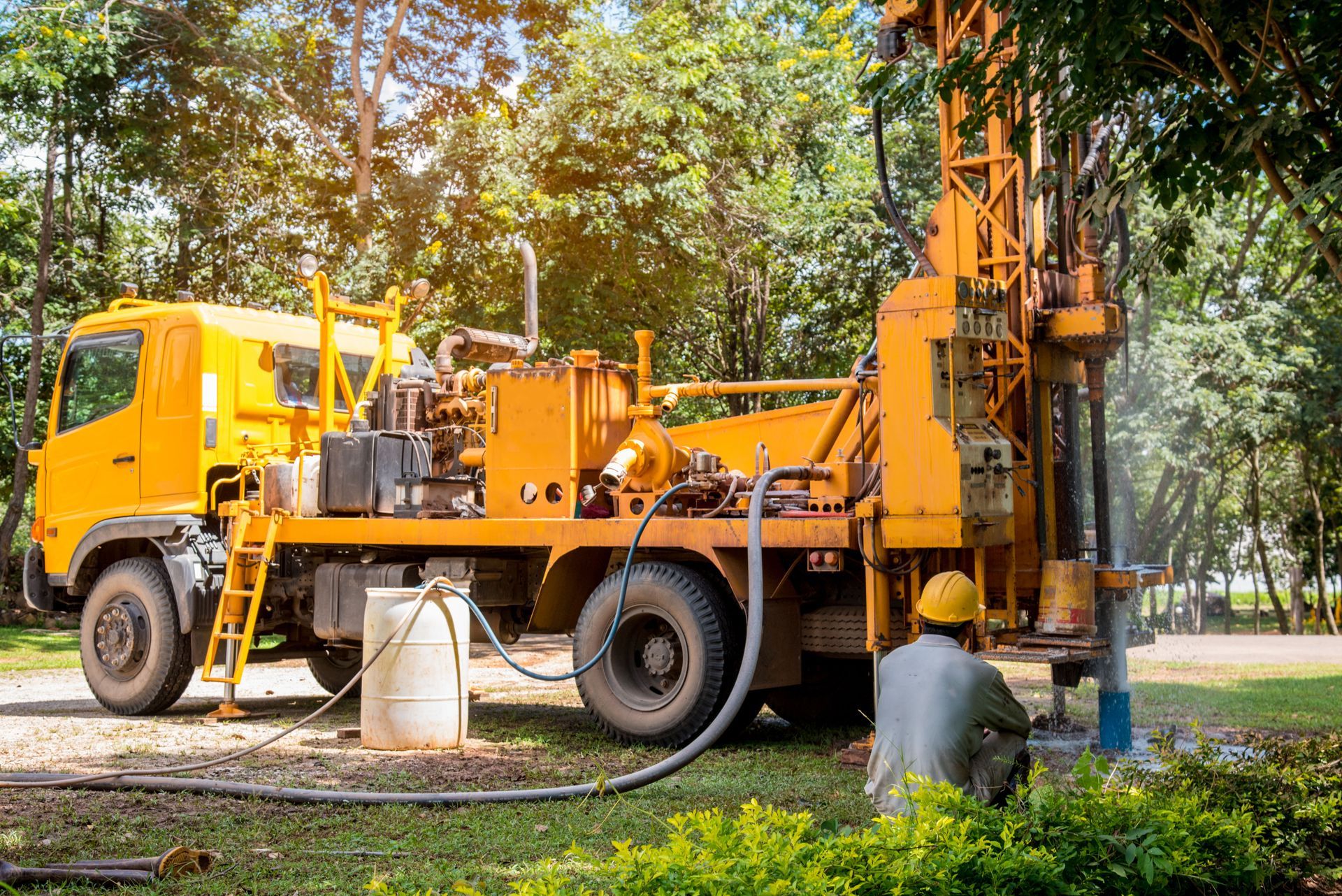
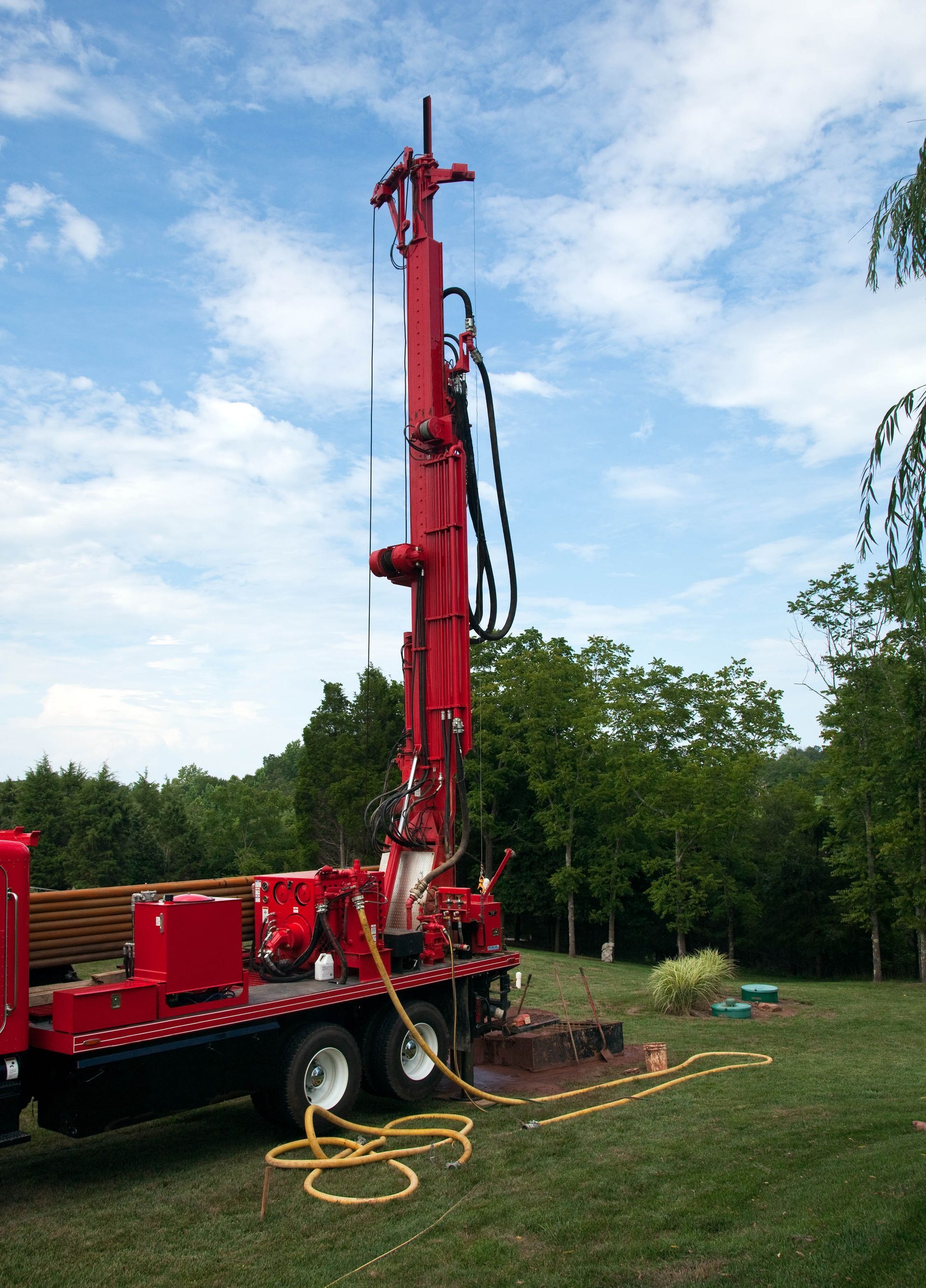
Executing a modern water well requires cutting-edge mechanical technology that is far beyond the reach of standard rental equipment. Industrial contractors utilize massive mud rotary rigs, air percussion hammers, down-hole cameras, and sonic drills capable of boring hundreds of feet through solid rock. Moreover, finishing a well requires precise gravel packing, screen placement, and well development procedures like surging and jetting to clear out sediment and optimize water production. Without this specialized technology, a well will yield cloudy, sediment-laden water that quickly destroys household plumbing, water heaters, and booster pumps. Entrusting the project to dedicated professionals guarantees that the casing, screening, and pumping infrastructure are engineered to the highest performance standards.
Choosing qualified experts is the only reliable way to secure a safe, abundant, and long-lasting private water supply for your home or business. Professional contractors seamlessly blend hydrological science, structural safety, environmental stewardship, and legal compliance to deliver flawless results. From initial geological testing to setting the final sanitary cap, expert guidance eliminates the immense hazards and financial pitfalls associated with amateur excavation. If you are ready to install a dependable, high-yielding private water system on your property, contact Scott & Son Well Drilling LLC today to schedule your consultation and get the job done right.
Share On: